Unpacking the Interplay Between Bonus Expiration Timelines and User Engagement Metrics in Virtual Entertainment Venues
Geschrieben von Parker Lorenz · 21.10.2026
Unpacking the Interplay Between Bonus Expiration Timelines and User Engagement Metrics in Virtual Entertainment Venues
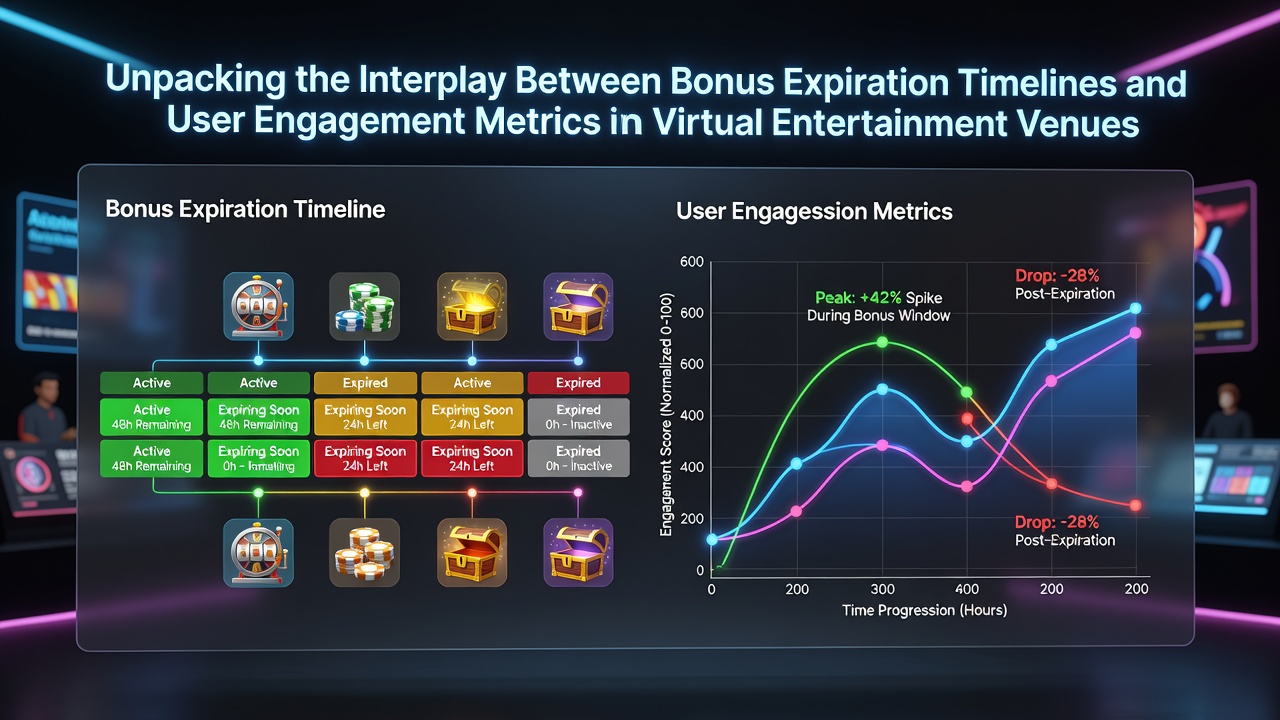
Virtual entertainment venues rely on bonus structures to shape player behavior, and expiration timelines represent one of the most direct levers available to operators. Shorter windows push users toward quicker decisions while extended periods permit more flexible participation, and data collected across multiple platforms reveals consistent patterns in how these timelines correlate with login rates, session lengths, and overall retention figures. In October 2026, several regional operators reported measurable shifts in daily active users when they adjusted bonus deadlines, confirming that these mechanics influence engagement beyond simple promotional appeal.
How Expiration Windows Shape Initial User Response
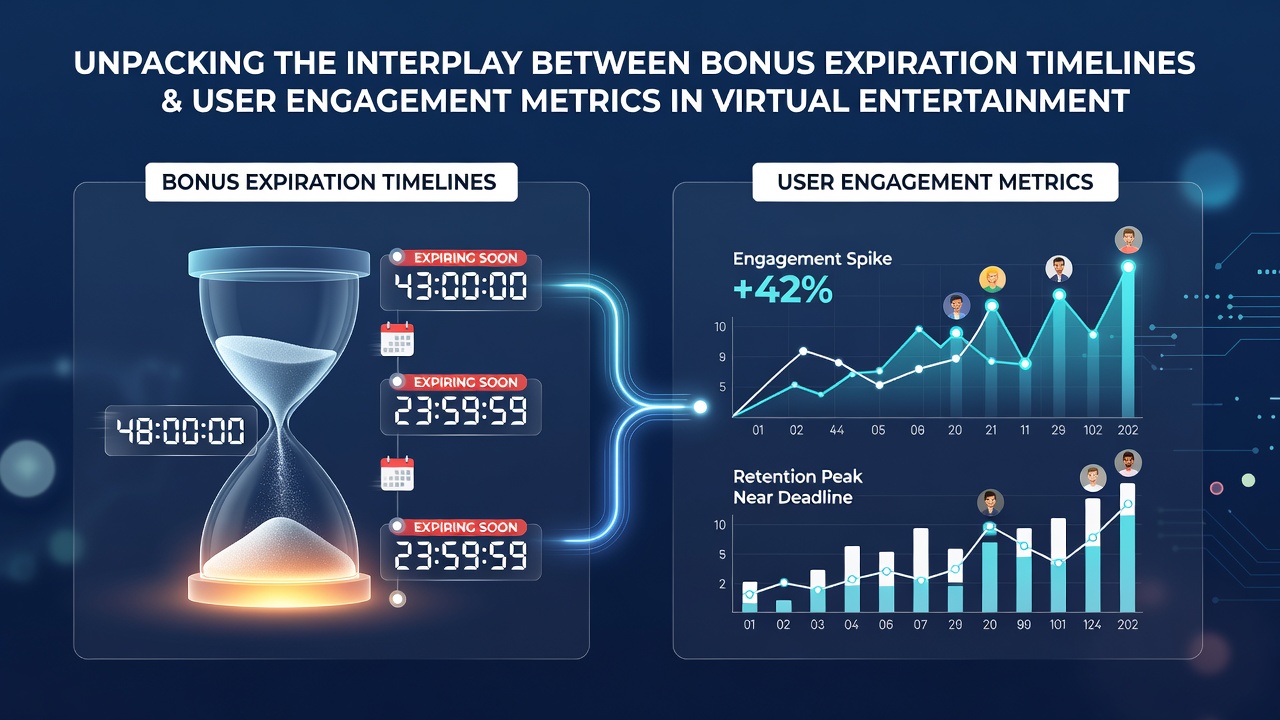
Bonuses that expire within 24 to 72 hours tend to generate spikes in immediate logins because participants must act before the offer lapses, and platform analytics show that users who receive time-limited credits often complete their first deposit and play session within the same day. Longer timelines, by contrast, allow players to spread activity across multiple visits, which can sustain lower-intensity engagement over several days yet may reduce urgency and lead to forgotten offers. Researchers tracking cohort behavior across European and North American sites have documented that the first 48 hours after bonus issuance account for the majority of redemptions when strict cutoffs apply, while seven-day windows distribute activity more evenly but with lower peak intensity.
Session Duration and Frequency Patterns
Engagement metrics such as average session time and return visits respond differently depending on the expiration length chosen by the operator. Data indicates that tight deadlines correlate with shorter, more concentrated play periods because users focus on meeting wagering requirements before time runs out, whereas extended deadlines support repeated shorter sessions spread across the validity period. One analysis of Canadian online platforms found that bonuses expiring in under four days produced a 35 percent increase in daily logins compared with those lasting two weeks, although the longer windows maintained steadier weekly retention once the initial rush subsided. Operators adjust these parameters based on the specific metrics they prioritize, whether rapid turnover or sustained presence.
Regional Data and Platform Comparisons
Figures released by the New Jersey Division of Gaming Enforcement in late 2026 highlighted variations in player activity tied to bonus structures, noting that venues offering mid-week promotions with 48-hour expirations recorded higher mid-week traffic than those using weekend-long offers. Meanwhile, a study conducted by the University of Nevada Reno examined player cohorts over six months and observed that expiration timelines under 72 hours increased the likelihood of repeat deposits within the same promotional cycle, while timelines exceeding ten days showed weaker connections to additional funding events. These findings align with observations from Australian regulatory summaries that tracked similar patterns across state-licensed platforms during the same period.
Retention and Churn Correlations
Retention rates often improve when expiration timelines match typical player visit patterns, and platforms that align deadlines with weekly or bi-weekly login habits see fewer users dropping off before completing requirements. Shorter timelines can accelerate churn if players feel pressured and fail to meet conditions, yet they also filter for highly engaged participants who return consistently. Longer windows reduce immediate pressure but risk lower completion rates because users may lose track of the offer, and industry reports show that completion percentages drop noticeably once timelines stretch beyond ten days without reminders. Observers note that automated notifications sent 24 hours before expiration help mitigate this drop-off regardless of the original length chosen.
Interaction With Other Engagement Tools
Bonus expiration works alongside loyalty points, level-up mechanics, and personalized offers, and the combined effect on metrics becomes clearer when operators test different combinations. Venues that pair short-expiration bonuses with daily login rewards report compounded increases in both frequency and total playtime, whereas those using extended deadlines with the same rewards see more distributed activity across the week. A report issued by the European Gaming and Betting Association in October 2026 examined several licensed operators and found that the timing of bonus deadlines influenced not only direct redemption but also how users interacted with adjacent features such as tournaments and leaderboards. The interplay suggests that expiration serves as a pacing mechanism rather than an isolated variable.
Conclusion
Expiration timelines for bonuses in virtual entertainment venues directly affect login frequency, session characteristics, and retention indicators, with shorter windows driving concentrated activity and longer ones supporting steadier but less urgent participation. Data gathered through 2026 across multiple jurisdictions demonstrates these relationships through measurable differences in user behavior when operators alter deadline lengths. Continued monitoring of these metrics allows platforms to refine promotional structures in response to observed patterns rather than assumptions about player preferences.